Premature Ejaculation: Causes, Symptoms and Treatment
6 min read
Premature ejaculation (PE) is more than ejaculating faster than you would prefer once in a while. It involves repeated difficulty delaying ejaculation and distress about the problem. It is common, and there are treatments worth discussing with a healthcare professional.

Quick answer
- PE generally involves repeated difficulty delaying ejaculation, a shorter-than-desired ejaculation time and distress or frustration.
- It may be lifelong, starting with the earliest sexual experiences, or acquired after a period of satisfactory control.
- There is no single known cause. Biological, psychological, relationship and sexual factors can interact.
- Occasional early ejaculation does not necessarily mean you have PE.
- Options include certain prescription medicines, topical anesthetics, behavioral techniques and psychosexual therapy.
- Erection problems, anxiety and other health conditions can coexist with PE and deserve attention too.
- Persistent PE is treatable; a healthcare professional or urologist can help you choose an approach.
What is premature ejaculation?
Premature ejaculation is an ejaculation-control disorder in which ejaculation repeatedly happens sooner than desired and the man has difficulty delaying it. There is no single timing cutoff used by every medical organization.
The International Society for Sexual Medicine describes lifelong PE as ejaculation before or within approximately one minute of vaginal penetration on nearly all occasions, with inability to delay ejaculation and negative personal consequences. The American Urological Association and Sexual Medicine Society of North America use a somewhat broader definition that emphasizes poor control, distress and ejaculation within approximately two minutes in lifelong cases.
Control and distress matter as much as the stopwatch. Ejaculating quickly occasionally — after a long period without sex, for example — is not automatically a disorder.
Lifelong vs. acquired premature ejaculation
| Type | What it means |
|---|---|
| Lifelong PE | Present from the first or earliest sexual experiences; occurs consistently or almost consistently. |
| Acquired PE | Ejaculation was previously under satisfactory control but has become significantly faster or harder to control. |
This distinction matters: acquired PE can sometimes occur alongside changes in sexual function, psychological wellbeing or physical health that warrant evaluation.
What are the symptoms of premature ejaculation?
PE typically involves a combination of three features:
- Short ejaculation latency: ejaculation consistently occurs earlier than the man or couple wants.
- Reduced control: it repeatedly feels difficult to postpone ejaculation as arousal rises.
- Distress or dissatisfaction: frustration, anxiety, avoidance of sex, reduced satisfaction or relationship strain.
Wishing intercourse lasted longer is not by itself a diagnosis. If your main goal is improving stamina rather than understanding a medical condition, the practical guide below is a better starting point.
What causes premature ejaculation?
There is no single proven cause. Current medical understanding treats PE as multifactorial, not as a simple failure of self-control.
Psychological and situational factors: anxiety, stress, performance concerns and relationship difficulties can contribute in some men. Worrying about ejaculating quickly can itself make it harder to regulate arousal. This does not mean PE is 'all in your head.'
Erectile difficulties: PE and erectile dysfunction can occur together. A man worried about losing an erection may rush; clinical guidance recommends addressing coexisting erection problems rather than ignoring them.
Biological factors: researchers have studied serotonin signaling, genetics and sensory processing. No single biological abnormality explains every case. An 'overly sensitive penis' is not a proven universal cause, even though topical anesthetics help some men delay ejaculation.

How is premature ejaculation diagnosed?
Assessment usually starts with a conversation about sexual and medical history, not extensive laboratory tests. A clinician may ask when it began, how often it happens, whether it varies by partner or situation, approximate timing, perceived control, distress, erections, medicines and other health concerns.
The AUA/SMSNA guideline recommends medical, sexual and relationship history plus a focused physical examination. Straightforward lifelong PE generally does not require additional testing; tests may be appropriate in acquired cases depending on the circumstances. There is no home test that definitively diagnoses PE.
How is premature ejaculation treated?
Treatment should fit the individual: some men benefit from arousal-management practice, others from medication, addressing erection difficulties, therapy or a combination.
- Behavioral techniques: start-stop and squeeze involve interrupting stimulation as ejaculation approaches, allowing arousal to fall, then resuming. They can help some men recognize rising arousal, but the research base is more limited than for established medicines.
- Topical anesthetics: lidocaine or prilocaine products reduce sensory input and can delay ejaculation. Too much numbing may reduce pleasure or firmness, and product can transfer to a partner. Follow the product instructions or clinician guidance; do not improvise with products not intended for genital use.
- Prescription medicines: certain SSRIs can delay ejaculation. AUA/SMSNA guidance lists daily SSRIs, on-demand clomipramine or dapoxetine where available, and topical anesthetics as first-line pharmacological options. Dapoxetine is available in some countries but not the United States; other SSRIs for PE are generally prescribed off-label. Discuss benefits and side effects with a clinician.
- Psychosexual therapy: a sexual-health therapist may help when anxiety, avoidance, relationship tension or negative expectations contribute. Psychological and medical approaches can be combined where appropriate.
- Coexisting erectile dysfunction: treating only ejaculation can miss part of the problem when erection loss is also present.
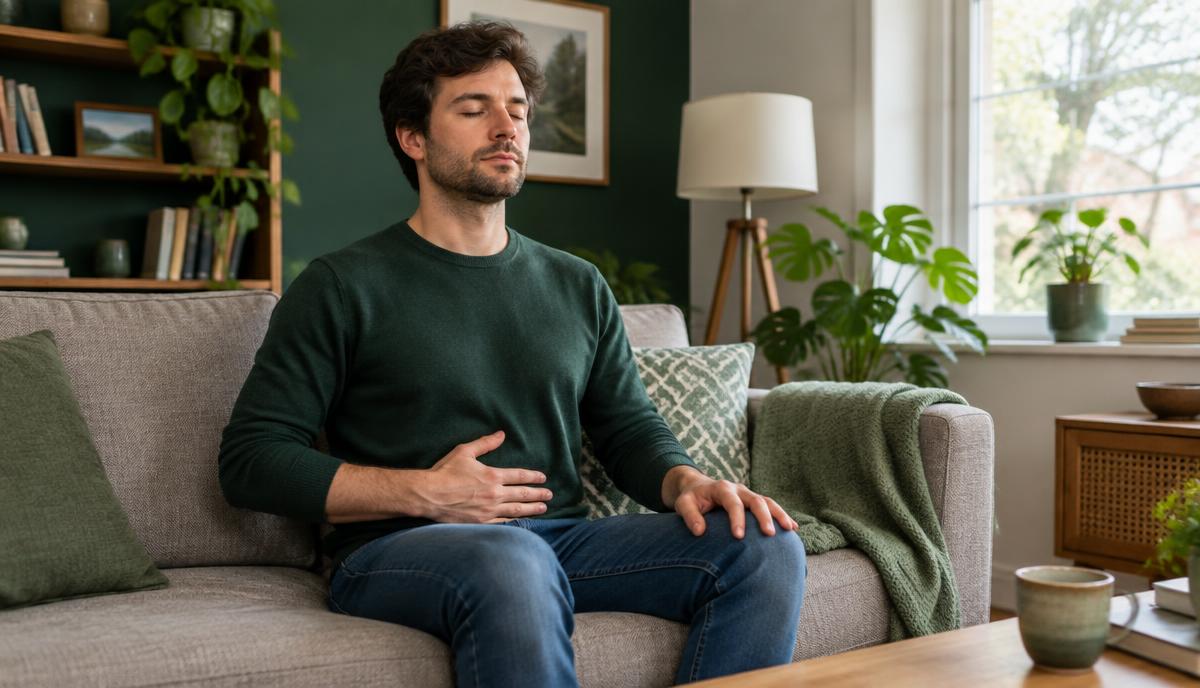
Can you train yourself to last longer?
Some men improve perceived control by recognizing rising arousal and changing stimulation before ejaculation becomes inevitable. For a practical guide to pacing and stamina rather than a medical overview, see the guide below.
What doesn't work?
- Circumcision as a PE treatment: current evidence does not support circumcision as a cure; AUA/SMSNA guidance advises that ejaculation latency is not affected by circumcision status.
- Random supplements: PE is not known to be caused by a simple vitamin, mineral or herbal deficiency. Be skeptical of products promising instant control without quality clinical evidence.
- Simply trying harder not to ejaculate: ejaculation is a reflex shaped by nervous-system activity and arousal. Intense performance monitoring may make sex more stressful, not easier.
When to see a doctor
Consider speaking with a healthcare professional if:
- Early ejaculation occurs during most sexual encounters and repeatedly feels out of your control.
- It causes significant distress or relationship difficulties.
- Ejaculation suddenly becomes much faster than it used to be.
- You also have erection problems, painful ejaculation, urinary or genital symptoms.
- A medication or another health condition may be contributing.
Persistent sexual dysfunction is a legitimate reason to see a doctor, urologist or sexual-health specialist.
Frequently asked questions
Is premature ejaculation the same as not lasting long in bed?
No. Wanting intercourse to last longer does not automatically meet clinical criteria for PE. PE generally involves persistent poor control and meaningful distress as well as relatively short ejaculation latency.
Is premature ejaculation caused by high penis sensitivity?
Not necessarily. Sensory processing may contribute in some men and topical anesthetics can help, but the evidence does not show that all men with PE have an unusually sensitive penis.
Can premature ejaculation be treated?
Yes. Options with evidence include topical anesthetics, certain prescription medicines, behavioral approaches and psychosexual treatment. The best choice depends on the individual situation.
Does masturbation cause premature ejaculation?
There is no good evidence that masturbation itself causes PE. Habits and learned patterns may influence arousal for some individuals, but PE is multifactorial.
Can anxiety cause premature ejaculation?
Anxiety can contribute to or maintain PE in some men, and PE can itself create anxiety. The relationship can go both ways.
Train the muscle behind control
The Free Kegel Trainer guides you through squeeze and release intervals, day by day.
Start Day 1Sources
- AUA/SMSNA — Disorders of Ejaculation Guideline
- European Association of Urology — Disorders of Ejaculation
- International Society for Sexual Medicine — What is premature ejaculation?
- Mayo Clinic — Premature ejaculation: Diagnosis and treatment
- Behavioral interventions for premature ejaculation — systematic review
More Sexual Health articles
Medical disclaimer: This article is educational and not medical advice. Speak to a doctor or pelvic floor physiotherapist about persistent pelvic pain or urinary symptoms.