Weak Pelvic Floor in Men: Symptoms, Causes and What Helps
7 min read
The male pelvic floor has to generate force at the right moments — for example, when pressure rises during a cough or when continence needs to be maintained. When those muscles are unable to produce or sustain sufficient force, they can be described as weak or underactive. Weakness becomes particularly relevant after some prostate procedures, where changes to the urinary continence mechanism can result in leakage. Pelvic-floor muscle training is consequently an important component of many post-prostatectomy rehabilitation programs, with multiple systematic reviews supporting benefits for recovery of urinary continence. But weakness is only one pelvic-floor problem. Before automatically increasing Kegels, it helps to understand what weakness actually looks like.

Quick answer
- A weak pelvic floor has a reduced ability to generate or maintain the force needed for continence and pelvic support.
- In men, weakness may be associated with urinary leakage, leakage when coughing, sneezing or lifting, bowel or gas leakage, reduced pelvic-floor endurance, and problems following prostate surgery.
- Pelvic-floor muscle training, including properly performed Kegels, can help when weakness is actually present.
- Urinary and sexual symptoms can also result from a tight or poorly coordinated pelvic floor, so symptoms alone do not always prove weakness.
A weak pelvic floor struggles to produce or hold a contraction when it matters — but the same symptoms can come from a tight or uncoordinated pelvic floor, so don't assume weakness before you train harder. Free Kegel Trainer for Men.
What Is a Weak Pelvic Floor?
Muscular function includes more than maximum strength. A weak pelvic floor may have problems with generating enough force, holding a contraction, producing repeated contractions, activating quickly enough, or maintaining control when abdominal pressure increases.
A muscle may also have poor coordination without being purely weak. That distinction is why a professional pelvic-floor assessment can be useful when symptoms are persistent.
Symptoms of a Weak Pelvic Floor in Men
The most typical signs include:
- Urinary leakage — the clearest symptom associated with male pelvic-floor weakness is reduced urinary continence. Leakage may occur when coughing, sneezing, laughing, lifting, exercising, or standing or moving suddenly. Urinary leakage has several potential causes, however, so weakness should not automatically be assumed.
- Leakage after prostate surgery — pelvic-floor weakness and altered sphincter control become especially important after radical prostatectomy. A 2025 systematic review of structured and supervised pelvic-floor muscle training included 20 randomized trials involving 2,444 participants and concluded that appropriately structured PFMT can improve post-prostatectomy urinary-incontinence outcomes.
- Bowel or gas leakage — the pelvic floor contributes to bowel continence as well as urinary control, so weakness may reduce control over stool or gas in some people.
- Difficulty sustaining a contraction — some men can identify their pelvic floor but notice that the contraction quickly fades. That may reflect poor endurance rather than an inability to contract at all.

Does a Weak Pelvic Floor Cause Sexual Problems?
The pelvic floor participates in erection, ejaculation and orgasm. Research suggests pelvic-floor training may improve certain sexual problems in some men, but available studies vary greatly in training methods and methodological quality.
It would therefore be too simplistic to say that a weak pelvic floor equals erectile dysfunction. ED can involve vascular disease, neurological factors, medication effects, hormones, psychological factors and many other causes. See our guide to erectile dysfunction for the broader condition.
What Causes a Weak Pelvic Floor in Men?
Possible contributors include:
- Prostate or other pelvic surgery
- Aging-related changes
- Repeated increases in abdominal pressure
- Chronic coughing
- Chronic constipation and straining
- Reduced muscular conditioning
- Injury or neurological problems in some cases
NHS pelvic-floor guidance for men also lists factors such as prostate surgery, chronic coughing and repeated constipation or straining among contributors to pelvic-floor weakness.
Weak Pelvic Floor vs Tight Pelvic Floor
This is one of the most important distinctions in male pelvic health. A weak pelvic floor may struggle to contract effectively. A tight pelvic floor may struggle to relax effectively. Unfortunately, some symptoms overlap.
For example, urinary problems and sexual symptoms can occur with both patterns. A tight muscle can also have poor functional strength, which makes self-diagnosis even harder.
| Weak (underactive) pelvic floor | Tight (overactive) pelvic floor |
|---|---|
| Struggles to contract effectively | Struggles to relax effectively |
| Leakage with coughing, lifting or movement | Pelvic pain or a clenched feeling |
| Contractions fade quickly | Difficulty starting urination |
| Often follows prostate surgery | Pain that can worsen with Kegels |
If you suspect tightness rather than weakness, read our article on the tight pelvic floor before adding more strengthening.
How Do You Strengthen a Weak Pelvic Floor?
When weakness is confirmed or strongly suspected, pelvic-floor muscle training is the primary exercise approach. Traditional Kegels involve consciously contracting the pelvic floor — learn the principles in our plain-English guide to Kegel exercises for men.
Learn the correct contraction first. Training the wrong muscles does not strengthen the intended target. A correct contraction should generally create an inward or lifting sensation rather than a hard buttock squeeze or forceful abdominal brace. NIDDK notes that many people benefit from healthcare-professional guidance to confirm that they are using the correct muscles.
Train both strength and endurance. Real pelvic-floor function requires more than one maximal squeeze. Clinical programs often include combinations of sustained contractions, shorter contractions, and complete relaxation between repetitions. However, studies use widely different training programs, and no universal exercise dose has been established for every male pelvic-floor condition.
Progress gradually. Muscle training takes time. Increasing contractions endlessly is not the goal — quality and correct coordination matter more than simply accumulating repetitions.
Want structured guidance? Try our Free Kegel Trainer for Men — it walks you through daily sessions with timed contractions and rest, so you can build strength and endurance progressively.
When Kegels May Be the Wrong Approach
If your main symptoms are any of the following, consider the possibility that strengthening is not your primary need:
- Pelvic pain
- Painful ejaculation
- Difficulty relaxing
- Difficulty starting urination
- A persistent clenched feeling
- Pain that worsens after Kegels
In those cases, read our guide to the tight pelvic floor and consider a professional assessment before continuing.
When to See a Healthcare Professional
Seek assessment for:
- Persistent or worsening urinary leakage
- Leakage after prostate surgery
- Bowel leakage
- Difficulty urinating
- Pelvic pain
- New neurological symptoms
- Exercises that cause pain
- Inability to identify the pelvic-floor muscles correctly
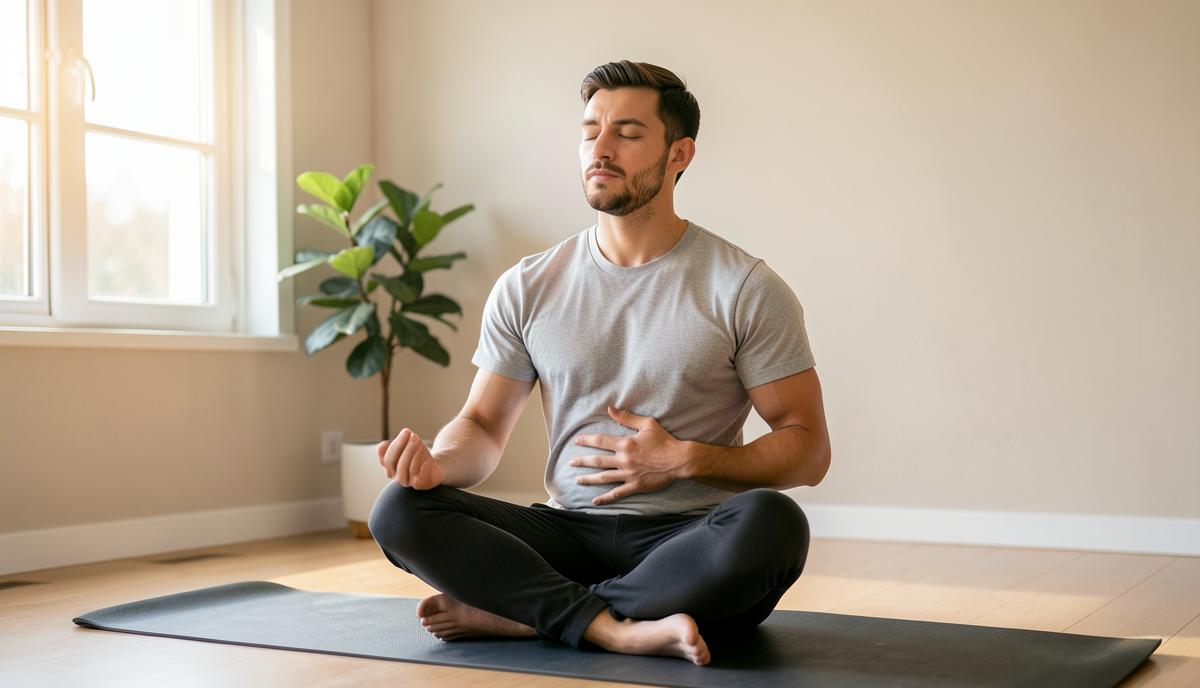
A pelvic-floor physical therapist can assess not only strength but also resting tone, endurance and coordination.
Frequently asked questions
How do I know if my pelvic floor is weak?
Urinary leakage can be a clue, but symptoms alone cannot reliably distinguish weakness from other pelvic-floor or urinary problems. A professional assessment is the most reliable way to know.
Can men strengthen a weak pelvic floor?
Yes. Pelvic-floor muscle training is used clinically in men, particularly for urinary continence rehabilitation after prostate surgery.
Are Kegels the best exercise for a weak pelvic floor?
Kegels are the most direct form of voluntary pelvic-floor strengthening, but the correct program depends on the individual and on whether weakness is actually the problem.
Can a pelvic floor be weak and tight at the same time?
Yes. Excessive resting tension and poor functional strength can coexist, which is one reason self-diagnosis is unreliable.
How long does strengthening take?
Improvement generally requires consistent training over weeks or months rather than days, but the timeline varies between individuals.
Train the muscle behind control
The Free Kegel Trainer guides you through squeeze and release intervals, day by day.
Start Day 1Sources
- NIDDK — Kegel exercises
- Cambridge University Hospitals — Pelvic floor exercises in men: FAQ
- Kent Community Health NHS — Pelvic floor exercises for people with male anatomy
- PubMed — 2025 systematic review of structured/supervised PFMT
- PubMed — 2024 PFMT meta-analysis after radical prostatectomy
- PubMed — Male PFMT program design systematic review
More Sexual Health articles
Medical disclaimer: This article is educational and not medical advice. Speak to a doctor or pelvic floor physiotherapist about persistent pelvic pain or urinary symptoms.